Elemental profile
Thallium · inorganic arsenic (III + V) · aluminium · nickel · total chromium
Additional measurements requested; not in the supplied report.06 / SCIENCE & TRANSPARENCY
Read the results for a supplier’s resin sample.
See what was tested and what the numbers mean.
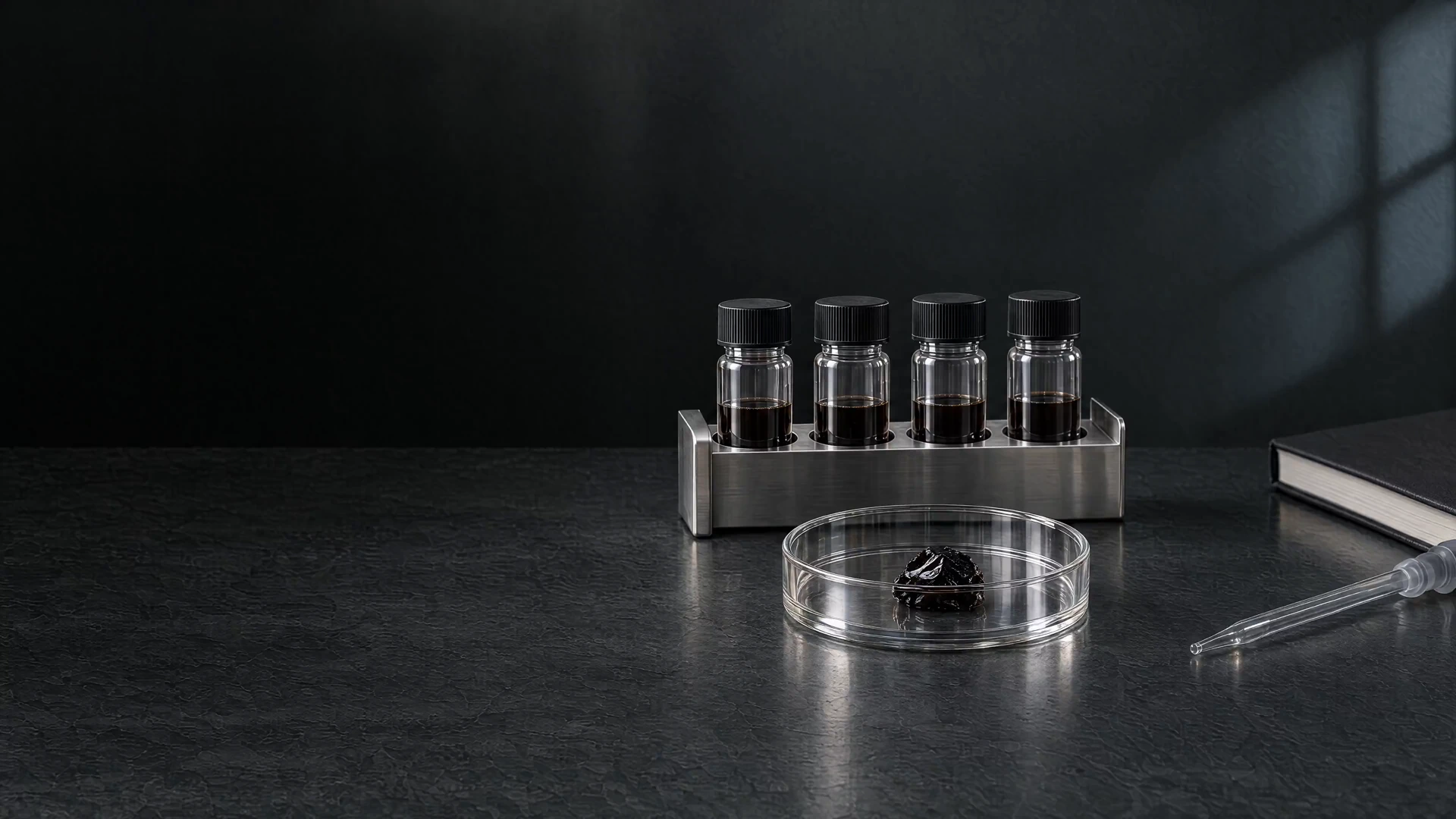
SUPPLIER-SUBMITTED SAMPLE
Report AR-258-2026-00092862-01 · parts 01 & 02
Original PDF · no results omitted
A NUMBER IS ONLY THE BEGINNING
The supplied report records 12 measurements for one resin sample. We show the results alongside what they can—and cannot—tell you.
The supplied document names Eurofins as the analytical laboratory. It explicitly states “not sampled by Eurofins”. Independent analysis and independent sampling are different steps; direct report authentication remains outstanding.
That connection is not established yet. The supplier’s stated bulk batch is 1,000 kg; the analysed sample was 200 g. Supply, packing and jar-batch records must link your jar to the tested material.
The four elements and four microbial tests appear in the accredited section. Total plate count, moisture and both fulvic-acid assays appear in the non-accredited section. No laboratory logo is used as a product approval.
A contaminant report does not prove geographical origin. Himalayan sourcing needs separate collection, supplier and traceability records. Those records are not established by this sample report.
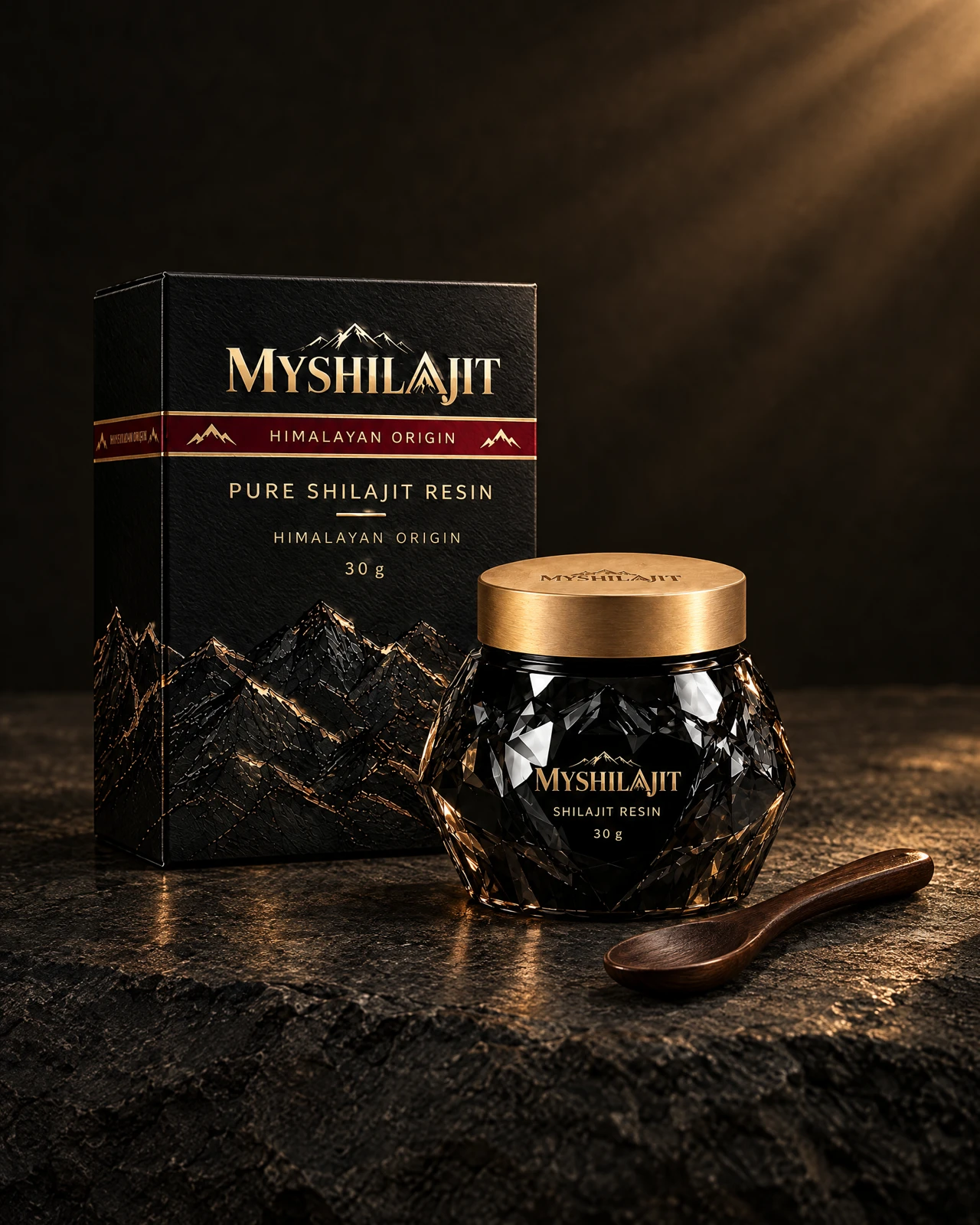
Your hologram code connects your jar to its batch and available lab documentation.
Check my hologram codeNo account needed to check. Registration is optional.
Where is my code?Match the material. Find the sample description, report number and dates. Establish whether the report covers raw material, a supplier’s resin sample or a finished product, then ask how its sample number connects to the batch on the pack.
Check the tests. Read the named elements, microbiology and composition measurements separately. A fulvic-acid result does not answer a question about lead or microbial contamination.
Keep the numbers in context. Read each result with its unit, method, reporting limit and any acceptance criteria. A “<” result is below the stated limit, not zero; a pass only describes the criteria used for that decision.
Read the full document. Check who sampled the material and which tests fall within the laboratory’s accredited scope. The original supplier-sample report above and our COA reading guide show how these details fit together. For a pack you hold, use jar verification and the batch and authenticity guide.
| What matters | Our standard | Compare withOther brandsCheck each brand |
|---|---|---|
| Independent lab testing | Eurofins India | Lab & location |
| Heavy-metal testing | Published | Test results |
| Microbiology testing | Published | Test results |
| Pure Himalayan resin | To confirm | Ingredients & origin |
| Sourcing at 16,000 ft | To confirm | Source records |
| UV-protected glass | To confirm | Packaging details |
| Traditional sun-drying | To confirm | Process records |
| Returns & refund support | See policy | Return terms |
| Full lab reports | Open access | Report access |
| Unique hologram code | Verifiable | Unique code |
| Personal jar record | Save to account | Batch traceability |
| Wooden spoon & card | Included | Box contents |